The guiding principle
Improve the photograph without misleading the buyer about the property. Brightness, color balance, perspective correction, and careful presentation are different from removing permanent conditions or digitally changing real property characteristics.
Real estate photo editing should make a listing clear, consistent, and inviting. It should not create a version of the home that buyers will not recognize when they arrive. For Houston Realtors, that line matters for buyer trust as well as HAR MLS compliance.
The current HAR MLS Rules include requirements for listing images and digitally altered real property. Because rules can change, use this article as a practical workflow—not a substitute for the current MLS rulebook or broker guidance.
What Professional Photo Editing Should Do
- Balance exposure so interiors and windows are readable.
- Correct color casts while keeping materials believable.
- Straighten vertical lines and correct lens distortion.
- Crop and sequence images for a clear listing presentation.
- Apply natural-looking sky and lawn adjustments when permitted and appropriate.
- Remove temporary photographer equipment or minor capture distractions when that does not misrepresent the property.
Seven Listing Photo Editing Mistakes to Avoid
1. Removing Permanent Property Conditions
Deleting a utility pole, neighboring structure, power line, damaged surface, roadway, or another permanent condition can materially change what the image communicates. A better solution is thoughtful composition: choose an angle that emphasizes the home while still representing the scene honestly.
2. Adding or Changing Real Property Without Proper Disclosure
Virtual staging and other digital alterations can help buyers visualize potential, but altered real property requires careful handling. Current HAR rules address disclosure, image placement, and the need for a corresponding unaltered view in applicable situations. Keep the original image, label edited versions clearly, and confirm the latest requirements before uploading.
3. Using Over-Saturated Colors
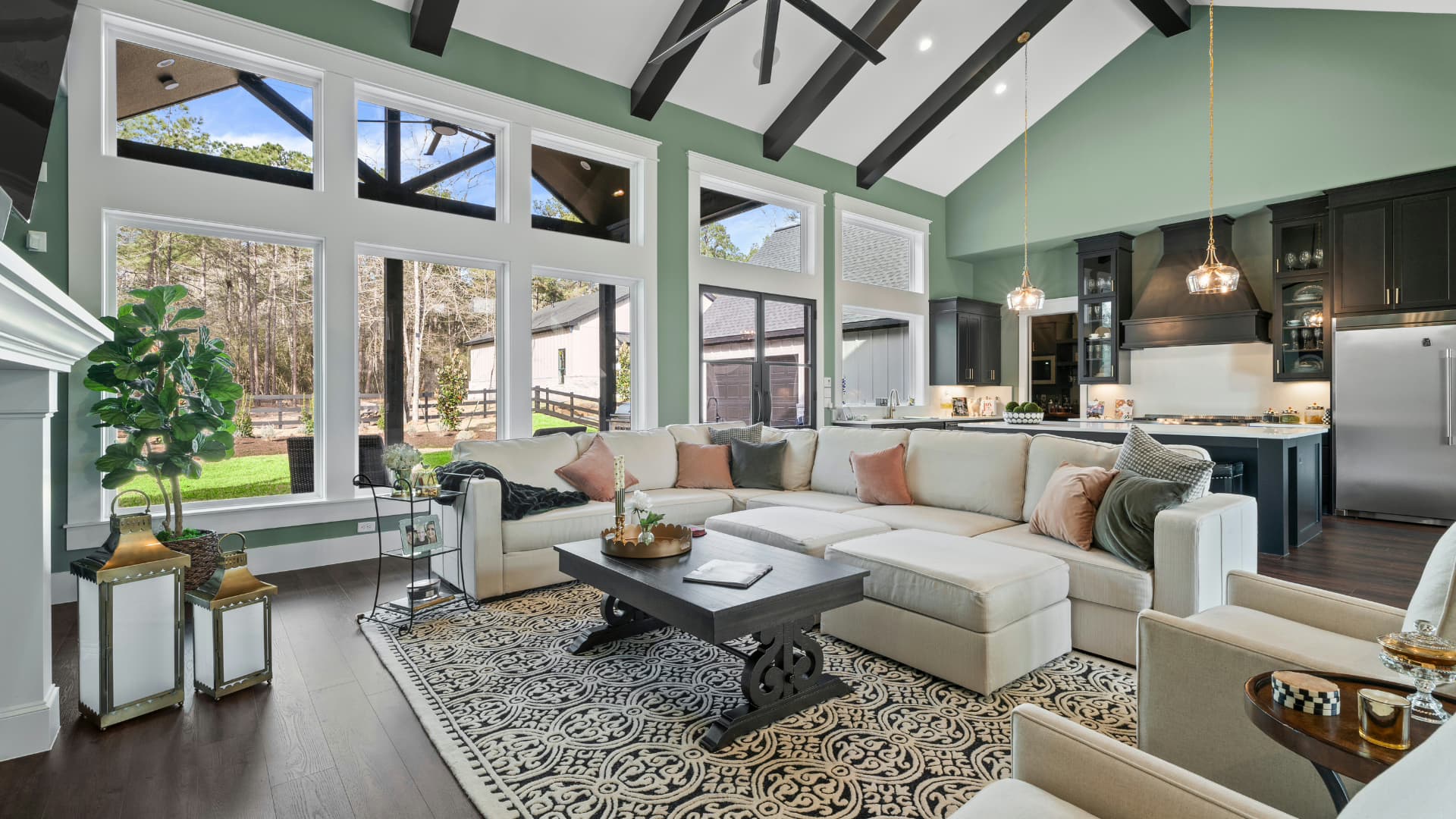
Neon grass, intensely blue skies, and orange-toned interiors may grab attention for the wrong reason. Heavy saturation makes materials look artificial and can cause buyers to question the rest of the presentation. Professional editing should keep paint, flooring, landscaping, and daylight attractive but recognizable.
4. Stretching Rooms With Aggressive Wide-Angle Correction
A wide lens helps show a room, but excessive stretching can make a compact space appear dramatically larger. Correct vertical lines and lens distortion without distorting furniture, doorways, or the apparent proportions of the room.
5. Using an Unrealistic Sky Replacement
A replacement sky should match the direction, brightness, and color of the light on the property. A dramatic sunset behind a home photographed at midday looks inconsistent. When the edit calls attention to itself, it distracts from the listing.
6. Reusing Photos Without Confirming Rights
Images from an earlier listing are not automatically free to reuse. The photographer or media company may retain copyright while licensing the images for a particular agent, listing, or marketing period. Request permission or order current photos that accurately show the property's present condition.
7. Uploading Too Few or Poorly Sequenced Images
Compliance is not only about individual edits. Current HAR rules specify minimum photo requirements for certain property classes and allow specific exceptions. Beyond the minimum, buyers need a logical visual tour: exterior, main living areas, kitchen, primary suite, secondary spaces, outdoor features, and supporting media.
MLS-Safe Photo Review Checklist
- Does every image show the actual listed property or clearly identify an allowed exception?
- Have permanent features and material conditions remained visible?
- Are digitally altered images disclosed and paired as current rules require?
- Do colors, room proportions, views, and finishes look believable?
- Do you have permission to use every photograph?
- Does the listing meet the current image-count requirement for its property class?
- Have you reviewed the public listing after upload?
Editing Examples: Usually Appropriate vs. Review Carefully
| Common edit | Practical treatment |
|---|---|
| Exposure and white balance | Standard professional correction when the result remains realistic |
| Vertical-line correction | Useful for accurate architectural presentation |
| Blue-sky or lawn enhancement | Keep natural and confirm it does not conceal a material condition |
| Virtual furniture | Review alteration disclosure and original-image requirements |
| Removing permanent objects | Avoid; it can misrepresent the property or surroundings |
| Removing temporary clutter | Discuss the exact object and context before editing |
How Picture This Property Handles Listing Images
Our real estate photography workflow is built around clean composition, balanced color, straight architectural lines, and consistent delivery. Advanced editing and virtual staging are handled as separate requests so the intended change is clear.
If an edit could change how a buyer understands the property, pause before publishing it. Ask the photographer, review the current MLS rules, and involve your broker when needed. Accuracy protects the listing and strengthens your reputation.
Frequently Asked Questions
Can listing photos have the sky replaced?
Sky enhancement is common, but the final image should remain believable and should not hide a material condition. Check current MLS requirements and avoid edits that change what a buyer would reasonably expect to see.
Can furniture be added to an empty room?
Virtual staging can be useful, but altered images must be handled according to current MLS disclosure and image-order rules. Keep and provide the matching unaltered view.
Can an agent reuse photos from a previous listing?
Only when the agent has the required usage rights and the images still accurately represent the property. When in doubt, obtain written permission from the rights holder.
Important: This educational guide is not legal advice. It was reviewed July 13, 2026. Consult current HAR MLS rules and your broker for a specific listing.