Real estate agents in Spring, TX often ask the same question when preparing a listing: Is drone photography actually worth it for this property? The short answer is that drone photography is not necessary for every home—but in the right situations, it can significantly improve how buyers understand a property before they ever schedule a showing.
In suburban markets like Spring, where lot sizes, neighborhood layout, and nearby amenities often matter just as much as interior finishes, aerial photos can add valuable context. This article explains when drone photography in Spring, TX makes sense, when it doesn’t, and how to decide if it’s the right choice for your next listing.
What Drone Photography Shows That Standard Photos Can’t
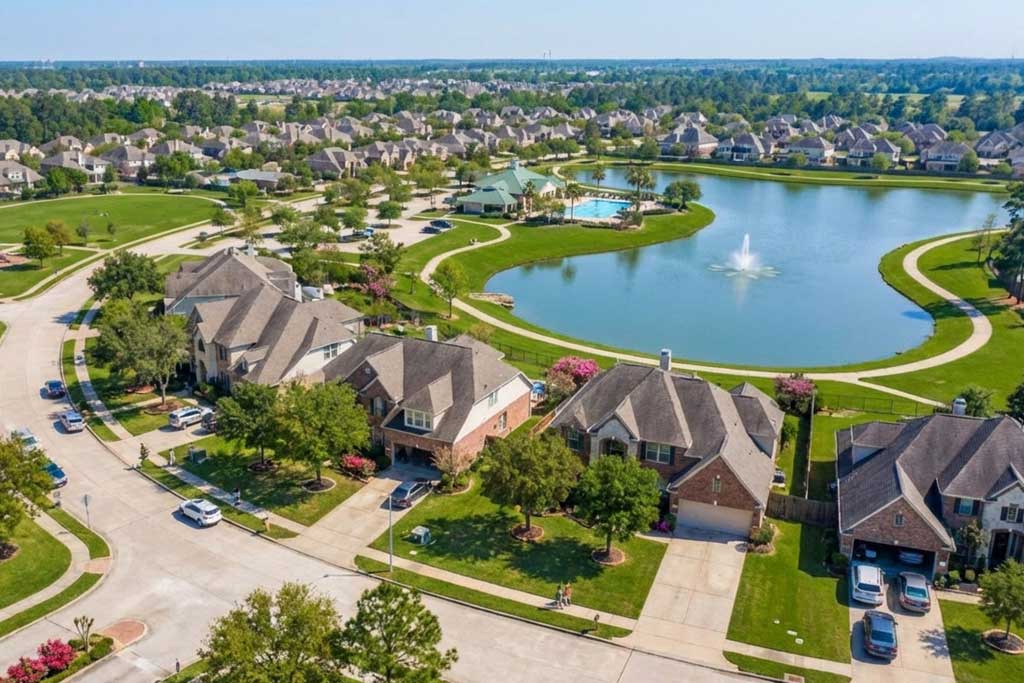
Ground-level photos are essential, but they have limits. Drone photography helps buyers see things that are difficult—or impossible—to understand from eye level.
- The full size and shape of the lot
- Distance between neighboring homes
- Backyard depth and usable outdoor space
- Proximity to greenbelts, trails, schools, or community amenities
- Overall layout of the property within the neighborhood
When used correctly, professional real estate drone photography helps buyers understand the property faster, which can lead to more confident showing requests and fewer surprises.
Listings in Spring, TX That Benefit Most From Drone Photography
Not every home needs aerial photos, but certain property types in Spring consistently benefit from them due to the area’s suburban layout.
- Homes on larger or irregularly shaped lots
- Properties backing up to greenbelts, wooded areas, or open space
- Corner lots and cul-de-sac homes
- Neighborhoods where spacing between homes is a selling point
- Newer subdivisions where layout and placement matter
Many Spring, TX real estate listings fall into these categories, making drone photography a practical way to highlight features buyers care about but may not notice otherwise.
When Drone Photography May Not Be Necessary
Drone photography works best when there is something meaningful to show from above. In some cases, it may not add enough value to justify using it.
- Small interior lots with no distinguishing exterior features
- Townhomes or properties with shared outdoor space
- Listings where interior upgrades are the primary selling point
Choosing not to use drone photography in these situations doesn’t hurt a listing. In fact, being selective helps ensure that aerial photos remain effective rather than repetitive.
Price Point vs Property Features: What Actually Matters
A common misconception is that drone photography is only useful for luxury homes. In reality, price matters less than property characteristics.
A mid-range home can benefit from drone photography if it offers:
- A larger-than-average backyard
- Useful outdoor living space
- A desirable location within the neighborhood
- Nearby amenities worth highlighting
Buyers respond to clarity and context. If aerial photos help explain why a property is positioned the way it is—or why its location is desirable—they can be effective at many price points.
How Many Drone Photos Are Enough for a Spring Listing?
More drone photos do not always mean better results. For most Spring listings, a small, well-chosen set of aerial images works best.
- One wide shot showing the home within the neighborhood
- One overhead view outlining the lot
- One angled shot highlighting the backyard or surroundings
Typically, three to six strong drone images are enough to add value without overwhelming buyers or cluttering the MLS photo set.
Common Mistakes Agents Make With Drone Photography
Drone photography is most effective when used intentionally. Some common mistakes can reduce its impact.
- Using aerial photos when there is nothing unique to show
- Including too many drone images in the listing
- Poor angles that don’t clearly explain the property
- Inconsistent quality across different listings
Consistent, professional execution helps maintain credibility and ensures drone photography supports the listing rather than distracting from it.
How to Decide if Drone Photography Is Right for Your Next Spring Listing
Before adding drone photography, consider the following questions:
- Does the lot size or layout matter to buyers?
- Are there nearby features worth showing from above?
- Will aerial context help buyers understand the property faster?
- Are competing listings using drone photos effectively?
If the answers point toward added clarity and better buyer understanding, drone photography is likely a smart choice.
Conclusion
Drone photography works best when it adds context, explains space, and helps buyers see how a property fits into its surroundings. In Spring, TX, listings with larger lots, open space, or desirable locations often benefit the most.
By using drone photography selectively and strategically, agents can enhance listing presentation without overusing it—leading to clearer marketing and more confident buyers.